Source Far Infrared Bio Ceramic Balls for Water Filtration
Explore 30 listings of far infrared bio ceramic balls designed for drinking water treatment, aquarium filtration, and laundry applications. Buyers can compare specifications, pricing, and customization options from verified suppliers in China; compare the available evidence and request quotations based on your requirements.
Key considerations
Products List


$1.20 - $10.00
Moq: 100


$1.20 - $10.00
Moq: 100

$1.20 - $10.00
Moq: 100


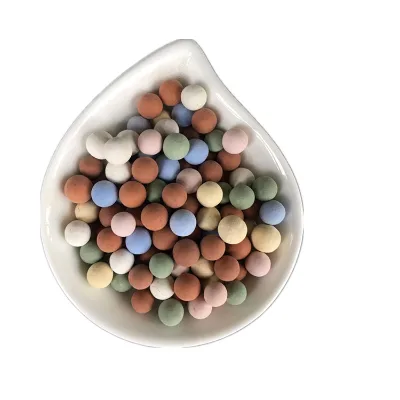

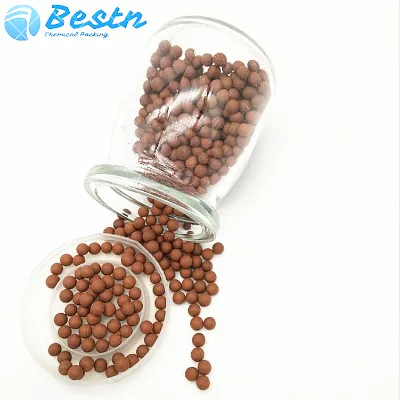


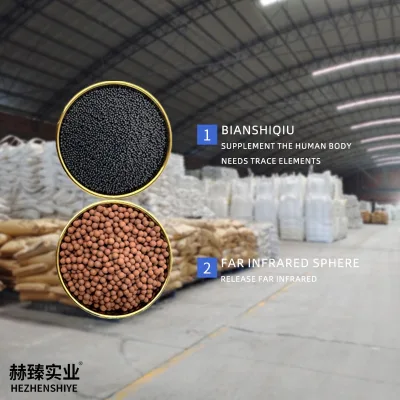


Comprehensive Sourcing Guide
Far Infrared Bio Ceramic Balls Sourcing Guide
Buyers must first distinguish between general water filtration media and specialized ceramic balls designed for specific mineralization effects. The observed product listings indicate a strong focus on alkaline surface disposal agents and negative ion generation, often marketed for drinking water treatment or aquarium filtration. Procurement teams should verify if the intended application aligns with the specific functional claims, such as bacteriostatic rates or far-infrared emission, rather than assuming all granular products offer identical performance benefits.
The market data reveals a diverse range of product models, including Maifan stone balls, magnetic energy variants, and standard far-infrared ceramic spheres. Sourcing strategies must account for these variations, as the physical properties and chemical compositions differ significantly between models like the APFR-20 and generic mineral balls. Buyers should prioritize suppliers who can clearly map their inventory to the specific technical requirements of the end-user, ensuring the selected granular material meets the precise filtration or water conditioning needs of the project.
Product Scope and Observed Listing Signals
The primary product scope centers on granular ceramic media used for water purification and aquarium filtration, with a distinct emphasis on environmental protection and customization capabilities. Listings frequently highlight the material as mineral-based, appearing in sizes ranging from 1mm to 30mm, which allows for versatile deployment in both large-scale industrial filters and smaller residential aquarium setups. Procurement teams should note that while the core function is water filtration, the specific utility often extends to washing clothes or drinking water treatment depending on the ceramic formulation.
Observed listing signals indicate a high degree of customization in terms of size distribution and packaging, with options ranging from 25kg boxes to woven bags on pallets. The data shows that suppliers often offer multiple standard sizes, such as 1-20mm or 10-20mm, alongside fully customized distributions to match specific filter bed depths. Buyers must carefully review the packaging specifications, as the choice between carton boxes and plastic woven bags can impact logistics costs and product integrity during international shipping.
Technical Specifications to Verify
Verification of far-infrared emission rates is critical, as observed data suggests values exceeding 90% for specific high-performance models, while bacteriostatic rates may range between 60% and 84.5%. Buyers should request independent test reports to confirm these emission percentages, as these figures directly influence the product's efficacy in water mineralization and biological control. It is essential to ensure that the claimed emission rates are measured under standardized conditions and are not merely theoretical maximums derived from laboratory settings.
Surface finish and size distribution are equally vital technical parameters that affect flow rates and filtration efficiency within the target application. The observed specifications indicate a smooth surface finish and size ranges from 1mm up to 30mm, with some models offering peak width at half height measurements between 4 and 14 Hz. Procurement teams must validate that the selected size distribution matches the hydraulic requirements of the filtration system to prevent clogging or channeling, ensuring consistent water quality over the product's operational lifespan.
Compliance and Safety Documentation
Environmental protection is a stated attribute for the majority of listed products, yet buyers must demand concrete documentation proving compliance with local water safety standards for drinking water applications. The presence of mineral materials and ceramic compositions requires verification that no harmful heavy metals or leachable substances are released into the treated water. Sourcing teams should insist on certificates of analysis that specifically address food-grade safety or potable water regulations relevant to the destination market.
Safety documentation must also cover the physical integrity of the ceramic balls, particularly regarding dust generation and structural stability under pressure. While the products are described as new and eco-friendly, the manufacturing process and surface treatments should be reviewed to ensure they do not introduce particulate matter that could compromise water clarity. Buyers should verify that the supplier maintains a quality management system that includes regular testing for chemical stability and physical durability to mitigate long-term liability risks.
Cost Drivers and Commercial Terms
The observed price range of 0.4 to 2000 USD indicates significant variance based on model complexity, emission capabilities, and order volume. High-performance variants with verified far-infrared and negative ion properties typically command premium pricing compared to standard mineral balls. Procurement strategies should focus on understanding the cost structure behind these tiers, as the price difference often reflects the intensity of the manufacturing process and the rigor of the quality control testing performed on the final granular product.
Minimum order quantities and packaging configurations are major commercial drivers that influence the total landed cost for international buyers. The data shows MOQs ranging from 1kg to 1 ton, with standard packaging often set at 25kg per box or bag. Buyers should negotiate terms that align with their inventory turnover rates, considering that larger orders may reduce unit costs but increase storage requirements. Additionally, the choice between standard woven bags and custom palletized cartons can significantly impact freight expenses and handling efficiency at the destination port.
Supplier Qualification and Quality Control
Supplier qualification should prioritize manufacturers with a proven track record in ceramic processing and mineral material sourcing, particularly those located in established industrial hubs like Jiangxi or Hebei. The observed product origins suggest a concentration of expertise in these regions, but buyers must verify the specific production capabilities of the supplier to ensure they can consistently meet the required size distributions and surface finish standards. A robust supplier base is essential for maintaining supply chain resilience and ensuring timely delivery of specialized ceramic media.
Quality control protocols must include rigorous sampling and testing procedures to verify the consistency of far-infrared emission and bacteriostatic performance across different production batches. Buyers should require that suppliers implement in-process checks for size distribution and surface smoothness to prevent defects that could compromise filtration efficiency. Establishing a clear quality agreement that defines acceptable tolerances for emission rates and physical dimensions is crucial for maintaining product reliability and preventing disputes over non-conforming goods.
Long-Term Procurement Checks
Long-term procurement success depends on establishing a continuous feedback loop regarding product performance in the field, particularly for applications involving drinking water or sensitive aquarium environments. Buyers should monitor the longevity of the ceramic balls and their ability to maintain emission rates and filtration efficiency over extended periods of use. Regular performance reviews will help identify any degradation in material quality or changes in water chemistry that may indicate a need for supplier process adjustments.
Supply chain stability and the ability to scale production are critical factors for long-term partnerships, especially given the observed range of customization options and packaging requirements. Buyers should assess the supplier's capacity to handle volume fluctuations and their willingness to adapt specifications as market demands evolve. Developing a strategic relationship with a qualified manufacturer ensures access to consistent quality and technical support, reducing the risk of supply disruptions and maintaining the integrity of the water treatment or filtration systems.
FAQs
What is the primary function of these ceramic balls?
These ceramic balls function as water filters or washing clothes aids. They are designed for drinking water treatment and feature alkaline surface disposal properties to improve water quality effectively.
Can I customize the size distribution of the balls?
Yes, customization is available for the size distribution of these ceramic balls. The standard range spans from 1 to 30mm, allowing buyers to request specific dimensions to meet their unique filtration needs.
What is the minimum order quantity for these products?
The minimum order quantity is typically 100 kilograms for standard orders. Some listings indicate a one-ton requirement, so buyers should verify specific supplier terms before placing their initial purchase request.
How effective is the far infrared emission rate?
The far infrared emission rate exceeds 90 percent for these ceramic balls. This high efficiency supports bacteriostatic rates between 60 and 84.5 percent, ensuring effective water purification and health benefits.
Where are these ceramic balls manufactured?
These ceramic balls originate from Jiangxi, China, with some sources listing Hebei as the place of origin. Buyers can expect products to be packed in 25kg boxes or woven bags on pallets.
What materials are used to make these ceramic balls?
The balls are made from mineral materials, specifically including Maifan stone and ceramic components. They feature a smooth surface finish and are available in various models like negative ions or magnetic energy types.